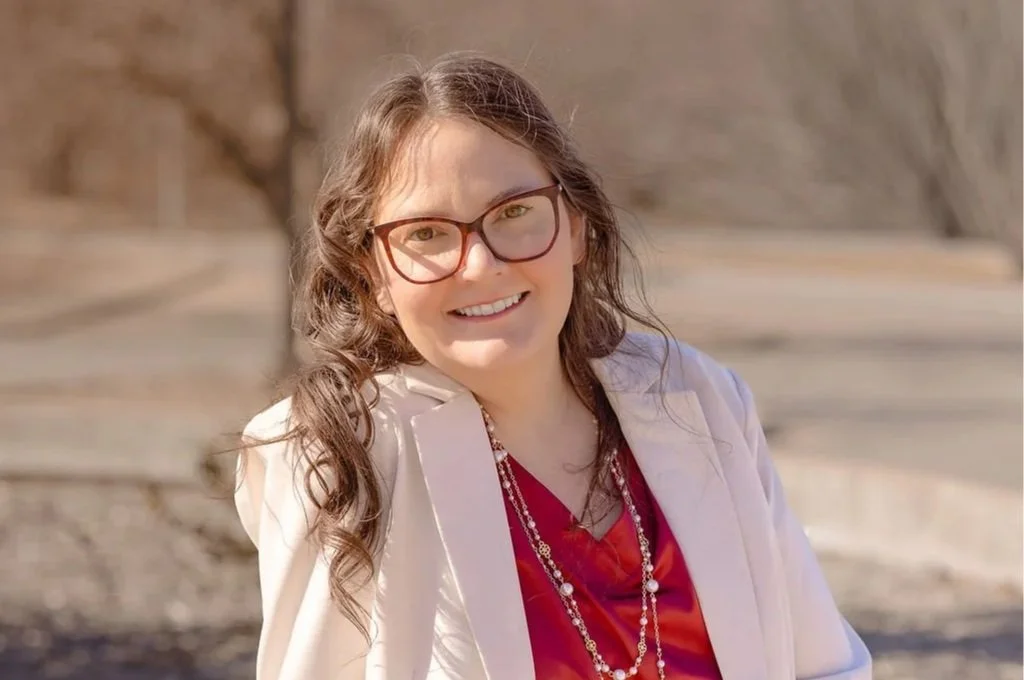
Jill Hasso, LPC
She/Her
Therapy for adults 18+ in Lee’s Summit
& Online within the state of Missouri.
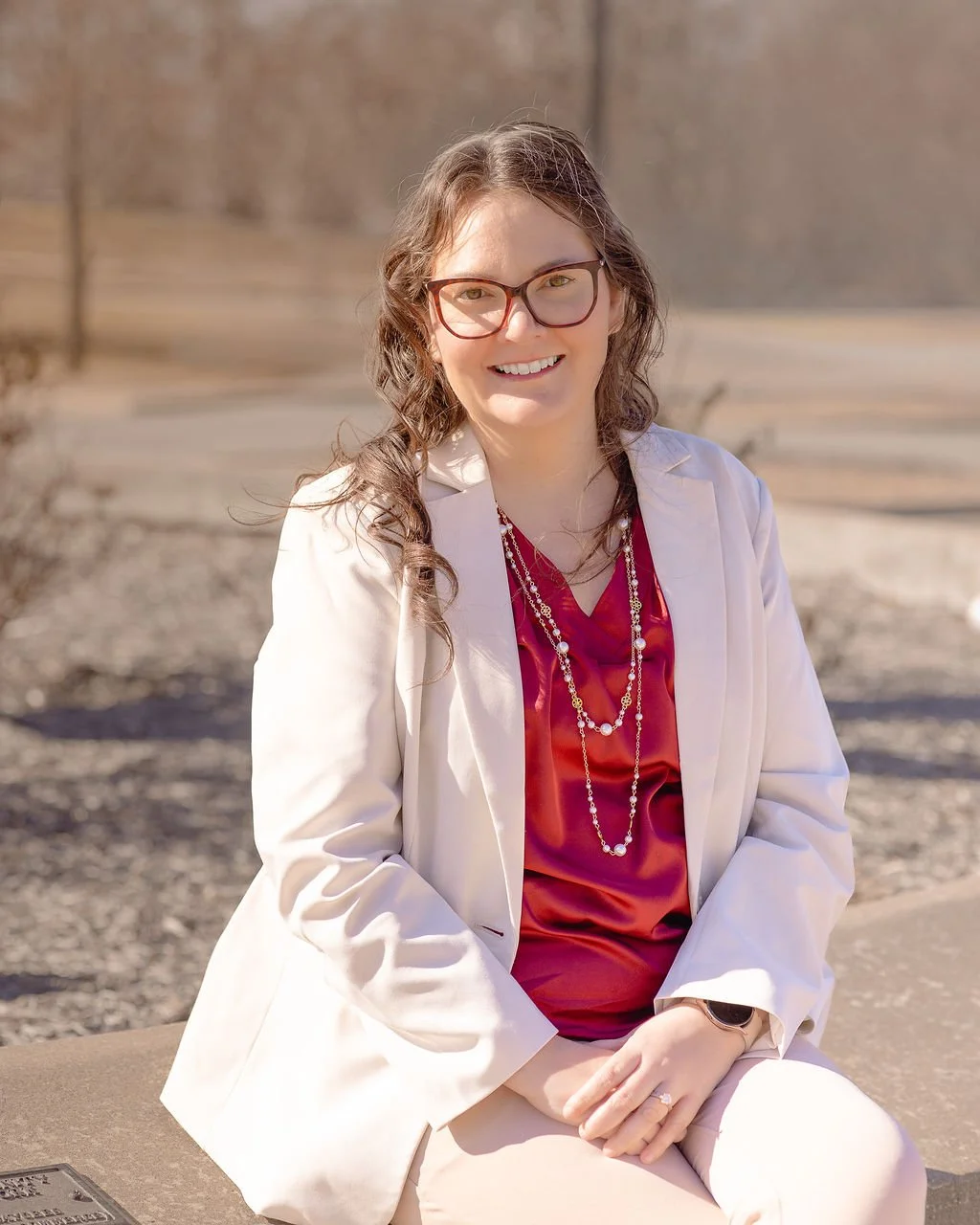
Jill Hasso, LPC
She/her
Trauma, Anxiety, Depression & OCD Therapist Offering Online Counseling & Counseling in our Lee’s Summit, MO therapy office for Adults in Missouri
You have been through a lot, and most people in your life may not really know it. You might have parents who divorced, times you were bullied, many moves, or years where you felt invisible at home. Maybe you grew up with a parent who was depressed, anxious, addicted, or often sick. Maybe there was constant criticism, emotional distance, or you felt like you had to walk on eggshells. It could have been sexual assault or harassment, church or spiritual hurt, strict or chaotic parenting, being the one who took care of everyone else, money stress, or just never having anyone who really saw what you were going through. Those things do not just fade with time; they tend to get carried quietly into adulthood.
As an adult, more hard things may have stacked on top of what you were already carrying. You might have gone through divorce or breakups, job loss or burnout, a stressful or toxic workplace, fights or distance with friends or family, fertility struggles, pregnancy or postpartum complications, caring for sick relatives, serious health problems of your own, or losses you never really had space to grieve. For a long time, you may not have had words for any of this. Maybe you never had therapy as a child or young adult, so you just kept pushing through. Now you might notice years of grief, fear, anger, and confusion sitting underneath your anxiety or depression and showing up in your relationships and daily life.
If this sounds like you, you are the kind of person I work with.
Or maybe your struggle looks different. Maybe your mind grabs onto a worry and will not let it go. A thought pops up—“What if I hurt someone?” “What if I missed something important?” “What if I’m a bad person?”—and it feels so real that your stomach drops. You might find yourself checking things over and over, replaying conversations in your head, going back through texts or emails, searching online for answers, praying or “undoing” thoughts in a certain way, counting, or asking people the same questions just to feel okay for a moment. Some of these rituals are things you do on the outside, and some are things you do silently in your mind. On the outside, you probably look responsible and high-functioning. On the inside, you feel trapped in your own head, exhausted by fear and doubt, and frustrated that you cannot “just stop thinking about it.”
If this sounds more like you, you are also the kind of person I work with.
I provide therapy for childhood trauma and complex trauma in Lee’s Summit (our office is in the Bayberry Business Center across from Lee’s Summit High School) and across Missouri. Clients I work with include those who have experienced stress from things like divorce, bullying, parent mental illness, spiritual abuse, and sexual assault. Additionally, I offer PTSD counseling and trauma therapy for adults dealing with past abuse, medical trauma, and other painful life events. In addition, I work with anxiety and depression related to long-term stress, burnout, grief, and life transitions, and I provide OCD treatment using Exposure and Response Prevention (ERP) for obsessive thoughts, compulsions, and mental rituals that leave you feeling stuck in your head.
My Approach to Therapy
I’ll be the first to admit that I’m not the right therapist for everyone, and that’s okay. Finding a therapist whose approach fits what you’re looking for matters.
My approach is highly active and action-oriented. We’ll absolutely talk, reflect, and make sense of what you’re experiencing, but we won’t stop there. We’ll do something with what we learn.
A diagnosis can help us understand what you’re experiencing and point us toward treatments that research shows are effective, but your diagnosis isn’t the whole story, and it isn’t the treatment plan.
I want to understand you: what you’re struggling with, what’s keeping you stuck, what matters to you, what you’ve already tried, and what happens when you try to do something differently. For me, developing that understanding and actively working together often happen at the same time.
That can begin as early as our consultation and continue through our first several sessions. I’m still getting to know you and developing a deeper understanding of what’s going on, but I may also start bringing what I notice into the room and introducing skills that seem relevant.
Maybe I notice that a particular thought keeps showing up when you talk about something difficult. We might slow down and look together at what happened, what you told yourself it meant, and how that thought affected the way you felt and responded. Then we might explore another way of looking at it.
But I’m not looking for an answer that simply sounds better. If the new way of looking at the situation doesn’t feel believable based on what you’ve experienced, that matters. We dig deeper. What doesn’t fit? What are we leaving out? Where did the original belief come from? We work on it, adjust it, and keep going until we find something that actually makes sense to you, even when the emotion is still there.
Maybe that process makes sense while we’re doing it together, but trying to do the same thing on your own during a difficult moment feels clunky or confusing. That matters too. We bring it back into the room, look at where you got stuck, and practice again.
Or maybe anxiety is pulling you into trying to predict, prevent, or solve something that you simply can’t know for certain. Instead of immediately trying to make the anxiety disappear, I may help you practice allowing that uncomfortable feeling to be there without fixing it. Sometimes the answer really is, “Maybe that will happen. Maybe it won’t.” Then we practice sitting with not knowing and allowing the feeling to rise and fall without immediately doing something to get rid of it.
If depression has slowly pulled you away from your life, I may start asking about what used to matter to you, what you used to enjoy, what you want your life to contain, and what has gradually disappeared. Then we can start finding realistic ways to reconnect with those things instead of waiting until you feel motivated enough to begin.
Those early conversations help me understand you, but they also give you an opportunity to understand me. I can tell you that I’m active, collaborative, and skills-focused, but sometimes the clearest way to understand my approach is to experience it in real time. You get to see how I respond when something is hard, how I help you work through it, and whether that way of working feels like a good fit for you.
As we continue, our understanding gets deeper. Sometimes something works quickly. Sometimes we need to adjust it several times. Sometimes we try something and discover it isn’t particularly helpful at all.
That’s information too.
I’m not committed to making you fit one approach. I’m committed to figuring out with you what makes sense for what you’re actually struggling with. We work on it, adjust, collaborate, and keep learning from what happens.
Part of that work is putting words to things that may have been difficult to explain. Sometimes you know something is wrong but haven’t been able to make sense of it or clearly describe what’s happening. Once we can put the pieces together and understand it more clearly, we have something we can work with.
And I don’t want to teach you skills that only make sense while you’re sitting in my office. I want us to build skills that still make sense when you’re having a really hard day.
Are We a Good Fit?
If you’re ready to be challenged, hit the ground running, and do more than talk about what’s wrong, we may be a great fit. Especially if you’re ready to actively start changing it.
What I ask from you is consistency: keep showing up, keep practicing, and keep going when the work gets hard.
Many of the approaches I use involve worksheets, exercises during our sessions, and practice between appointments. This isn’t therapy where all of the work happens during the hour we spend together. I’ll teach you something, we’ll practice it together, you’ll continue practicing it in your life, and we’ll come back together to talk about what happened, where you got stuck, and what comes next.
At first, that can feel clunky. You may wonder whether you’re doing something correctly, whether it’s helping, or even whether therapy itself is working.
Think about learning to drive or speak a new language. At first, you have to think about every step. You make mistakes and second-guess yourself. With enough repetition, something that once required enormous effort gradually becomes much more natural.
Therapy skills work the same way.
Someone can be deeply depressed, terrified to face something they’ve been avoiding, overwhelmed by emotion, or unsure whether they’re doing an assignment correctly and still be ready for active therapy. You don’t have to be good at the work yet. You have to be willing to keep attempting it.
And I’ll be right there doing it with you. I know this can be hard. I’ll encourage you, help when you get stuck, and give you room to feel whatever comes up. Sometimes what you need from me in that moment really is: “I know this sucks. I know it’s hard. You’re doing a good job. Keep going.”
And then we keep going together.
What Does That Actually Look Like?
When Your Thoughts Are Keeping You Stuck: Cognitive Processing Therapy (CPT)
Sometimes the way you’ve learned to understand yourself, other people, or the world can keep you stuck long after the experiences that shaped those beliefs. You might blame yourself for something that happened, believe you should have known better, assume people can’t be trusted, feel responsible for things outside your control, or find yourself repeatedly reaching the same painful conclusions about yourself and your life.
You don’t need to have PTSD for us to work with those patterns.
I’m trained in Cognitive Processing Therapy (CPT), and I often use skills from CPT when someone’s thoughts and beliefs are playing a major role in what is keeping them stuck. We might slow something down and look at what happened, what you told yourself it meant, where that belief came from, how it affects the way you feel or respond, and whether there is another way of understanding it that better accounts for the whole picture.
The goal isn’t positive thinking. I’m also not interested in finding a technically “balanced” thought that falls apart the second you’re upset. If we come up with something and your response is essentially, “Yeah, but I don’t actually believe that,” then we’re not finished.
We keep working.
Maybe part of the original belief really does come from something painful you experienced. Maybe there’s an important piece of the situation our new thought hasn't accounted for. Maybe your emotions are so strong that something can make sense intellectually and still feel completely wrong in the moment. We can acknowledge those things rather than pretending they aren’t there and work toward a way of thinking about the situation that is both realistic and believable.
When someone does have PTSD and full Cognitive Processing Therapy is appropriate, I can use CPT as the structured treatment it was designed to be. That involves a more systematic process of identifying and working through the beliefs that have developed around what happened and how those beliefs continue to affect your life.
But full CPT isn’t necessary for everyone. Sometimes a few of its tools are exactly what we need as one part of a much broader approach.
OCD: Exposure and Response Prevention (ERP)
OCD often creates a frustrating cycle. An unwanted thought or “what if?” appears, anxiety rises, and you do something to get relief or certainty. That might be checking, avoiding, seeking reassurance, researching, replaying something in your head, analyzing, or something else.
It works temporarily. Then the doubt comes back.
ERP helps us break that cycle through practice. We’ll gradually face the things OCD tells you to avoid while changing what you normally do to make the anxiety or uncertainty go away.
Instead of repeatedly asking, “How can I know for sure?” we practice something much harder: “Can I allow myself not to know?”
Sometimes the most accurate answer really is, “Maybe it will. Maybe it won’t.” Then we practice continuing with your life anyway.
Depression: Behavioral Activation (BA)
Depression often says, “I’ll do it when I feel better.”
But the worse you feel, the less you do. The less you do, the fewer opportunities you have for connection, accomplishment, enjoyment, structure, and meaning.
Behavioral Activation helps us turn that cycle around. We look at what depression has pulled you away from and start rebuilding from wherever you are right now. Sometimes the first step really is small.
We don’t wait for motivation to magically appear before you start participating in your life again.
Sometimes action has to come first.
Chronic Insomnia: Cognitive Behavioral Therapy for Insomnia (CBT-I)
When you can’t sleep, it makes sense to start trying harder. You might go to bed earlier, stay in bed longer, sleep in after a bad night, watch the clock, or try desperately to force yourself to fall asleep.
Unfortunately, some of those things can actually keep the problem going.
CBT-I goes beyond basic sleep tips. We’ll look at what your sleep actually looks like, make specific changes to habits that may be getting in the way, track what happens, and adjust as we go.
Some of those changes can feel backward or uncomfortable at first. That’s where consistency matters. We give the changes time to work, look at what happens, and decide together what comes next.
What If My Problems Don’t Fit Into One Box?
That’s pretty common.
You may be anxious and depressed. Something you’ve been through may still affect how you see yourself. You may avoid things when you’re overwhelmed, overthink decisions, struggle with sleep, or spend hours trying to answer questions that don’t really have definite answers.
We don’t have to force all of that into one kind of therapy.
Instead, we ask: What’s keeping you stuck right now, and what can we actually do about it?
If you’re avoiding, we may practice approaching. If depression has pulled you away from your life, we may work on getting you moving again. If the way you’re thinking about something is making things harder, we may dig into where that belief came from and find another way of looking at it that actually feels believable. If you’re searching for certainty that doesn’t exist, we may practice leaving the question unanswered. If there’s a real problem that can be changed, we may stop analyzing and solve it.
We can step back, figure out what we’ve learned, and try something different. If we eventually realize I’m not the right person to help with what you need, we can talk honestly about that and work together to figure out what might be a better fit.
I’m not interested in a cookie-cutter approach. I’m interested in understanding you well enough that what we’re practicing actually translates into your life.
Ultimately, I don’t want you to become good at therapy.
I want you to become good at using what you’ve learned when I’m no longer sitting across from you.
Why I Became a Therapist
I became a therapist because I experienced firsthand what it feels like for therapy to genuinely change your lifeearning my MA in Clinical Mental Health Counseling from Colorado Christian University in December 202 following as BA in Mass Communication from Benedictine College in 2011.
At a time when I was pouring so much of myself into everything and everyone around me, therapy became a place where I could finally bring what I was carrying. I had someone outside of my everyday life who listened closely, helped me put words to things I hadn’t fully understood, validated questions I had carried for a long time, and challenged me when I needed it.
That experience taught me the value of having another person stay with you through difficult work rather than expecting you to figure everything out alone.
My own approach as a therapist has evolved considerably since then. I’ve become much more active, structured, and focused on helping clients take what happens in therapy and turn it into change in their everyday lives. But I haven’t lost the part that mattered so much to me when I was on the other side of the room.
You can be challenged and supported at the same time.
You can struggle through something difficult while someone beside you says, “I know this is hard. You’re doing a good job. Keep going.”
That combination, being genuinely cared for while also being encouraged to keep doing the work, is something I carry with me as a therapist.
Outside the Counseling Office
The Kansas City area has been home for most of my life. I grew up in Johnson County, Kansas, and have spent the majority of my adult life in the KC metro, with a few meaningful chapters elsewhere. I lived in Colorado Springs for several years and spent six months living in Nairobi, Kenya. That experience was life-transformative and remains an important part of my story.
These days, I’m building a life on the Missouri side of Kansas City with my husband, David, our black pug, Winslow, and our families. David and I enjoy doing a little bit of everything together: concerts, Royals games, the farmers market, Topgolf, New Theatre Restaurant, fishing, hiking, and finding little adventures close to home.
We both enjoy traveling, but that often looks like fitting a weekend getaway around everyday life. I’m equally happy in the mountains or on a beach, and our trips have taken us everywhere from Estes Park and Florida beaches to the Kentucky Bourbon Trail and Roaring River State Park. Some of our favorite escapes are even closer to home. David’s family has acreage about an hour outside of Lee’s Summit where we can get out of the city, reconnect with nature, and occasionally pitch a tent for the night.
At home, you’ll often find us watching Gold Rush, Moonshiners, or a true-crime docuseries while Winslow keeps watch for squirrels in the backyard. He’s high-energy, playful, adventurous, completely adored, and frequently drives us crazy. I also have a cat, Annabelle, who now lives with my brother because of severe cat allergies in David’s family. I still get to see her, and she is very much living her best life.
There’s also another part of my story that has shaped both who I am and how I approach therapy. I’m a kidney transplant recipient. Before my transplant, I spent two and a half years on dialysis while living with a terminal illness and facing what was essentially my worst nightmare.
I got through that time using many of the same skills I now teach my clients: sitting with uncertainty when there wasn’t an answer, building and leaning on my support system, having enjoyable things to look forward to, and continuing to participate in life even when it was incredibly hard. Those skills didn’t change what I was going through, but they helped me get through it.
That experience is part of why I believe so strongly in actively practicing what we work on in therapy. I know these skills can matter even when life is genuinely hard and there isn’t an easy answer.
Life after transplant still comes with some realities. I take medications that suppress my immune system, so if we meet in person, you’ll see me wearing a mask to protect my health. It’s simply part of life for me now.
I’m pretty happy with a life that has room for a little bit of everything: family, adventure, new experiences, time outside, quiet nights at home, and a career that has genuinely become a passion of mine.
I care deeply about the clients I work with and invest a lot of time and energy into continuing to grow as a therapist and providing the best care I can. I know I won’t be the right therapist for everyone, but I also get to see what can happen when someone keeps showing up, keeps practicing, and continues doing the hard work even when it’s difficult. Watching clients begin to understand themselves differently, do things they weren’t able to do before, and make meaningful changes in their lives is one of the most rewarding parts of what I do.
It’s work I genuinely care about, and I feel fortunate that it gets to be part of the life I’ve built.
Begin Counseling with Jill Hasso, LPC
Beginning therapy can feel like a big step, especially if past experiences haven't led to the change you hoped for. You don't need to have everything figured out to start.
If you're ready for thoughtful, evidence-based therapy in a space that feels safe and unhurried, I'd love to hear from you. I see clients in person at our Lee's Summit, MO office and online across Missouri.
Reach out to Aspire Counseling
Call our Client Care Coordinator at 816-287-1116 or use our contact form to reach out and learn about my current rates & openings.
2. Meet for a Free Consultation
I understand the importance of finding the right therapist. Therefore, I always begin with a free consultation where we can talk about your needs & I can answer your questions.
3. Begin Your Therapy Journey
Together, we will develop a plan for your treatment. Therapy will feel difficult at times, but I will support you every step of the way.